Ready to see what we have coming?
Lynx Defense will release some new things soon. Let us deliver them right to your inbox!

Lynx Defense will release some new things soon. Let us deliver them right to your inbox!
We may earn revenue from product links on this page and participate in affiliate programs. Learn More ›
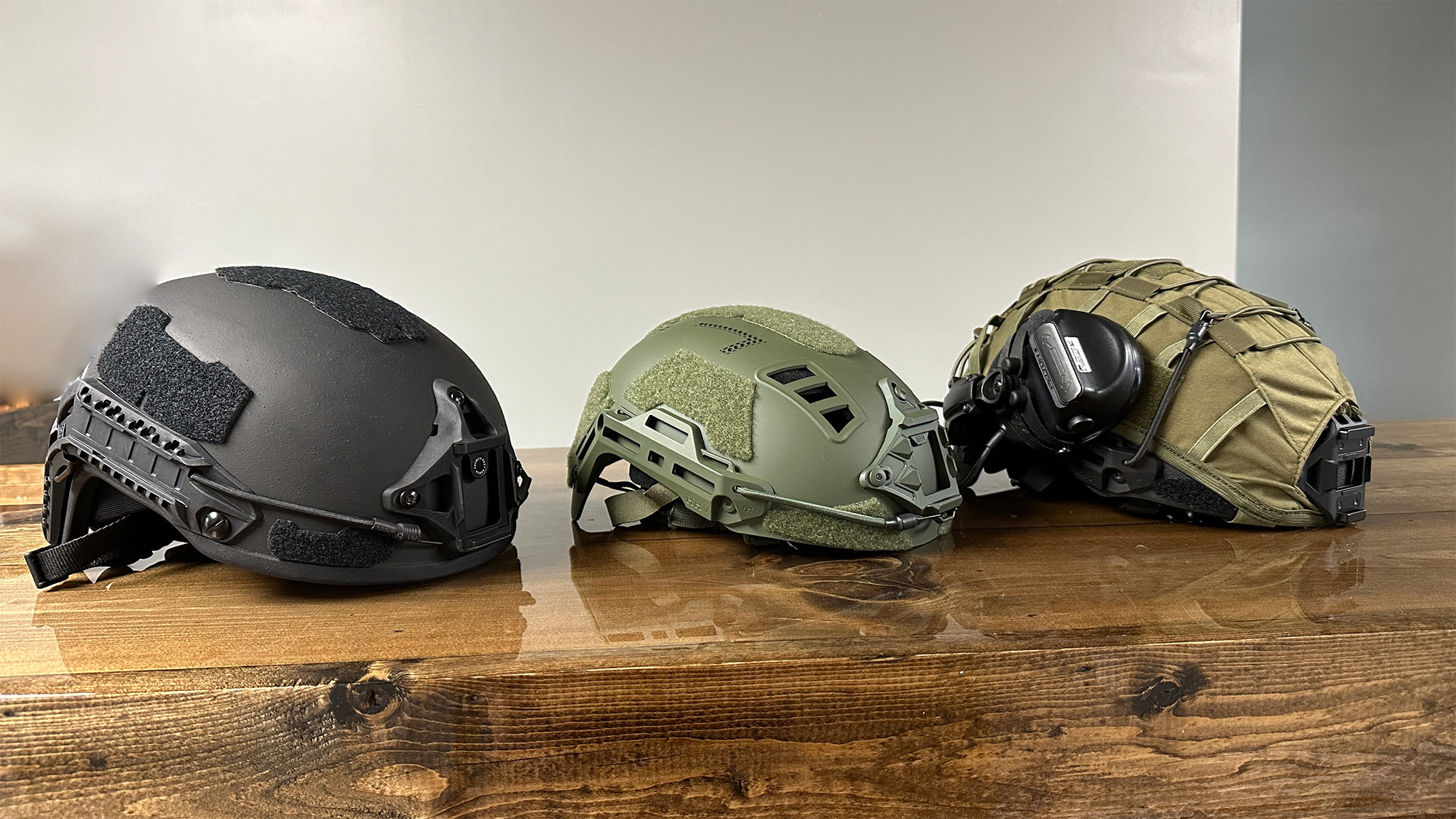
Are you searching for the ultimate protection for your head? Look no further! Our comprehensive guide on the Best Ballistic Helmets offers an in-depth analysis and reviews of the top-rated ballistic helmets available.
Stay informed and protected with our insights into the world of ballistic headgear.
Similar to body armor, ballistic helmets are essential pieces of gear for military, law enforcement and civilians in threat environments.
However, many people don’t realize while helmets are labeled ballistic they don’t provide the same level of protection that ballistic armor plates do.
While helmets have evolved from ancient armor to modern high-tech gear to protect against various threats, the shape of helmets prevents true ballistic protection.
A direct hit on a helmet will likely penetrate the helmet and potentially have a fatal outcome.
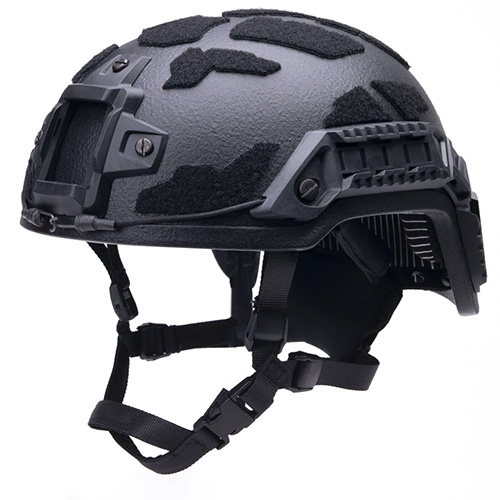
Their role is more than just protection, though. They still do provide protection from non-direct hits. They also protect you from falling objects and allow you to easily and securely mount night vision goggles and hearing protection with communication.
Key evaluation points include ballistic performance levels, weight, balance, and user comfort, compatibility with communication devices, and cost.
Users should also consider the reputation of the helmet manufacturer and other first-hand reviews to inform their decision-making process.
The Level IIIA Operational Picks stand out for their impressive balance between protection and usability.
They are built to withstand threats like 9mm, .44 Mag, and .357 SIG, abiding by NIJ Level III-A standards.
These helmets are a common choice among tactical professionals due to their reliability in diverse situations.
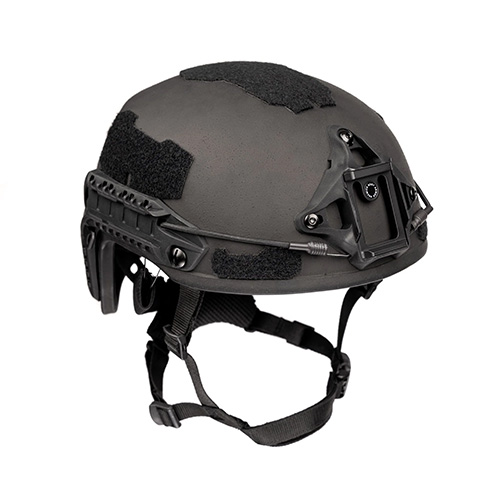
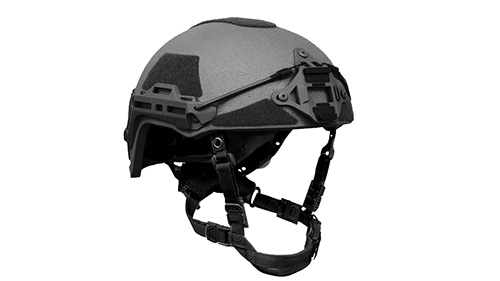
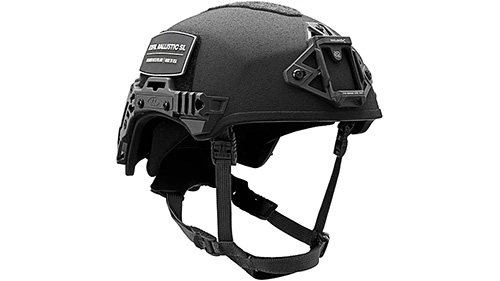
High-cut tactical are prized for their lightweight design without compromising ballistic protection.
However, they do compromise some coverage.
They are engineered to integrate communication and hearing protection systems.
This is best for Individuals who prioritize agility, communication, and comfort in their tactical gear, including special forces and urban tactical units.
Understanding ballistic performance and standards is crucial for making an informed decision when choosing a ballistic helmet.
Helmets must comply with specific certifications to guarantee their protective capabilities. The National Institute of Justice (NIJ) sets widely recognized standards for ballistic performance.
Reviewing the testing data from certified labs to ensure that the helmet’s performance aligns with these standards is imperative.
Comfort and customization are as integral to a ballistic helmet’s functionality as its protective qualities.
A perfect fit is essential for concentration and effectiveness in high-stress situations.
Let’s talk about the cutting-edge features that enhance both comfort and customization.
Proprietary memory foam pads, available in multiple sizes, conform to the wearer’s head for a personalized fit.
Re-positionable padding systems allow users to adjust the interior for perfect balance and weight distribution.
Open-cell memory foam offers breathability, easing heat accumulation and ensuring long-wear comfort.
Loop panels and Velcro placements provide options for adding camouflage covers, identification patches, or IR strobes.
High-grade polymer shell with adaptable rail systems allows for mounting of lights, cameras, and other tactical equipment.
When opting for these features, users can experience a protective helmet that tailors to their mission-specific demands, ensuring they are ready for extended periods of use with minimal discomfort.
Many tactical helmet users are trashing old foam options for the Hard Head Veterans Micro Lattace due to its lightweight properties and breathability.
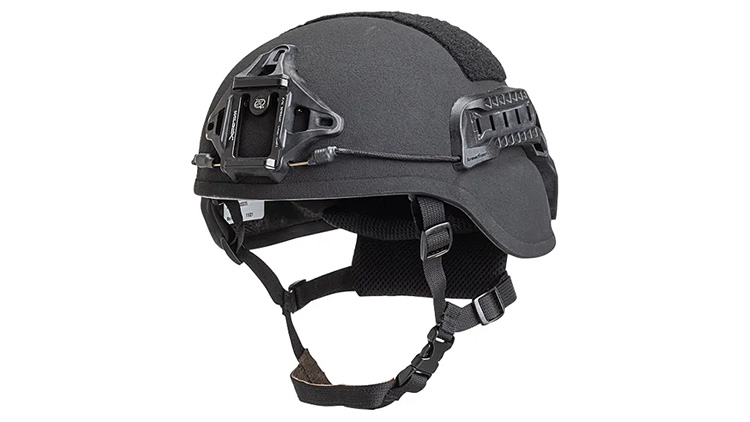
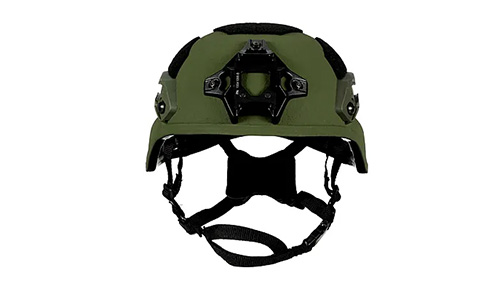
Full-cut ballistic helmets are designed for those who require comprehensive protection. They cover more head area, making them suitable for high-threat environments. Here’s what sets them apart:
Advancing beyond traditional Kevlar, modern ballistic helmets harness innovative materials and cutting-edge technologies to offer unbeatable protection and utility:
These technological strides result in helmets that are not only safer but adapt to the changing nature of threats and the need for comfort and versatility in various operational scenarios.
Selecting the right ballistic helmet depends on the mission profile and expected threats. The matched helmet enhances operational efficiency while providing crucial protection:
A high-cut helmet offers agility and easy integration of communication equipment for urban operations.
In open terrains or explosive environments, a full-cut design may provide the extra coverage that could make a lifesaving difference.
Search and rescue missions often prioritize lighter helmets that offer unobstructed vision and hearing.
Understanding the nuances of each mission type ensures that personnel are not just equipped but are optimally protected and ready for the actions they might need to undertake.
Proper fit and sizing are paramount in ballistic helmet selection—a helmet that is too large or small can compromise protection and functionality. Here’s how to ensure the best fit:
Use a soft tape measure to determine head circumference at the forehead level, just above the ears and eyebrows, for the most accurate fitting.
Consult the manufacturer’s size chart — typically ranging from small to extra-large — ensuring that your measured size falls snugly within the provided range.
Remember that it’s safer to choose a larger size and adjust with additional comfort pads, rather than a tight fit that cannot be amended.
Many high-end helmets offer dial-fit bands or ratcheting systems for micro-adjustments, ensuring the helmet stays secure even during vigorous movements.
A well-fitting helmet provides maximum protection and lets wearers maintain comfort and focus on the task without distraction.
Like firearms and tactical vests, helmets are just the kit’s base.
You can expand them to meet your needs in various ways.
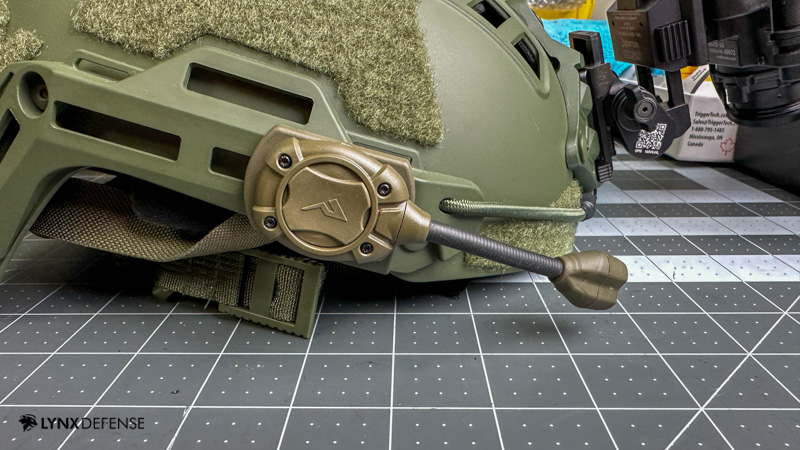
Helmets can be enhanced for increased functionality to suit the diverse requirements of different missions:
These enhancements can dramatically extend the range of applications for ballistic helmets, from urban tactical operations to long-duration reconnaissance missions.
To make enduring the rigors of extended use easier, ballistic helmets can be upgraded with features targeting comfort and convenience:
Premium Padding Systems: Look for helmets like the new premium universal padding system that offers layers of memory foam for a contoured, comfortable fit. These pads can alleviate hot spots and headaches caused by prolonged wear.
Retention Systems: Advanced chinstraps and dial adjustment systems can provide a secure fit with the ability to make quick, precise changes.
Ventilation: Some helmets incorporate vented liner systems, like the Ops-Core Vented Lux Liner, to improve airflow and reduce heat buildup.
Quick-Release Buckles: Quick-release systems allow for rapid donning and doffing, which is essential in emergencies or during breaks in action.
Lightweight Materials: Helmets made with advanced composites offer superior protection without the added weight, reducing neck strain over time.
Such upgrades ensure that the helmet remains a tool one can rely on for safety without discomfort or inconvenience, enhancing the wearer’s endurance and operational effectiveness.
Balancing cost with quality is a critical aspect of buying ballistic helmets. While high pricing doesn’t necessarily equate to superior quality, the cheapest options often compromise on safety features and durability:
Investing in the right helmet means not skimping on quality to save on cost. The priority should always be the guaranteed safety that a quality helmet provides.
Yes, civilians can purchase ballistic helmets. No federal regulations in the United States prohibit the ownership of ballistic helmets.
However, check local laws and regulations as they can vary from state to state.
Purchasing from reputable sources is important to ensure the helmet meets safety standards.




Concealed Carry Insurance
Protect yourself and all those who carry concealed in your house.