Ready to see what we have coming?
Lynx Defense will release some new things soon. Let us deliver them right to your inbox!

Lynx Defense will release some new things soon. Let us deliver them right to your inbox!
We may earn revenue from product links on this page and participate in affiliate programs. Learn More ›
Let’s face it. Your Cordura bags are gonna get dirty. So you’ll be asking soon how do I clean Cordura?
Cordura fabric is used in most Lynx Defense products. We use either 500 Denier or 1000 Denier Cordura.
Cordura is a durable, nylon-based fabric that is used for high-performance gear and apparel. Products made with Cordura last and are low maintenance.
For our products we recommend the following care instructions:
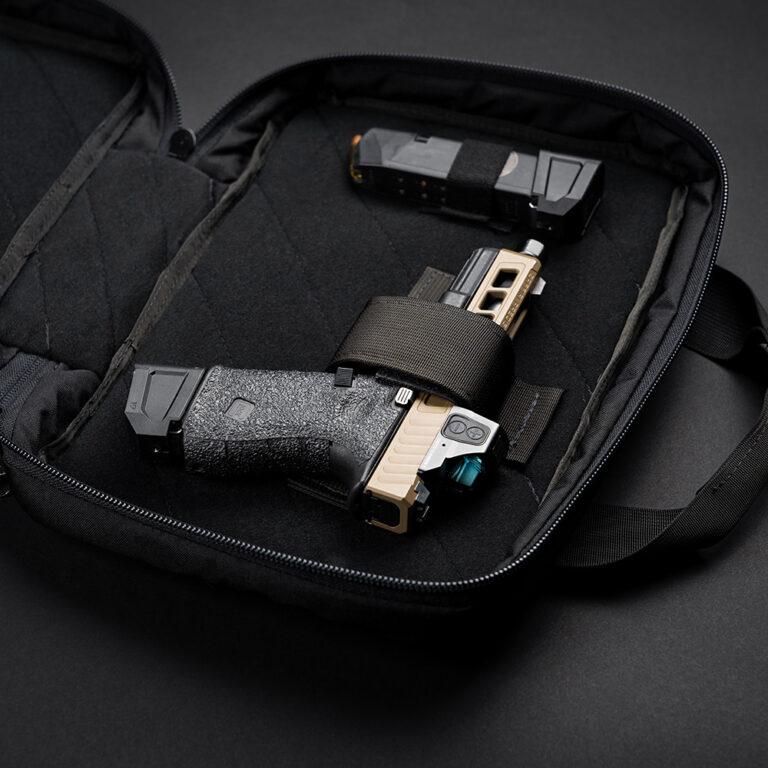
Remove everything from your pistol bag, including all guns, ammunition, and range gear/accessories. Use two teaspoons of Dawn hand dish soap (NOT antibacterial) and mix with one quart of water in a spray bottle. Directly spray the soapy water mixture on the bag’s inserts and hard bottom and wipe clean with a dry cloth.
The shell of the pistol bag can be washed by hand or by a washing machine. To ensure your bag lasts as long as possible, we recommend hand washing only.
However, if you do machine wash your pistol bag, double-check to ensure it is empty. Remove the inserts and the hard bottom before washing the bag. Wash with dye-free/scent-free detergent in cold water on a gentle cycle.
Oil or grease should first be treated with a dry cleaning solvent followed by a spray cleaner or detergent and water.
Avoid chlorine or bleach-based cleansers. Harsh chemical cleaners and detergents are more likely to damage product fabric.
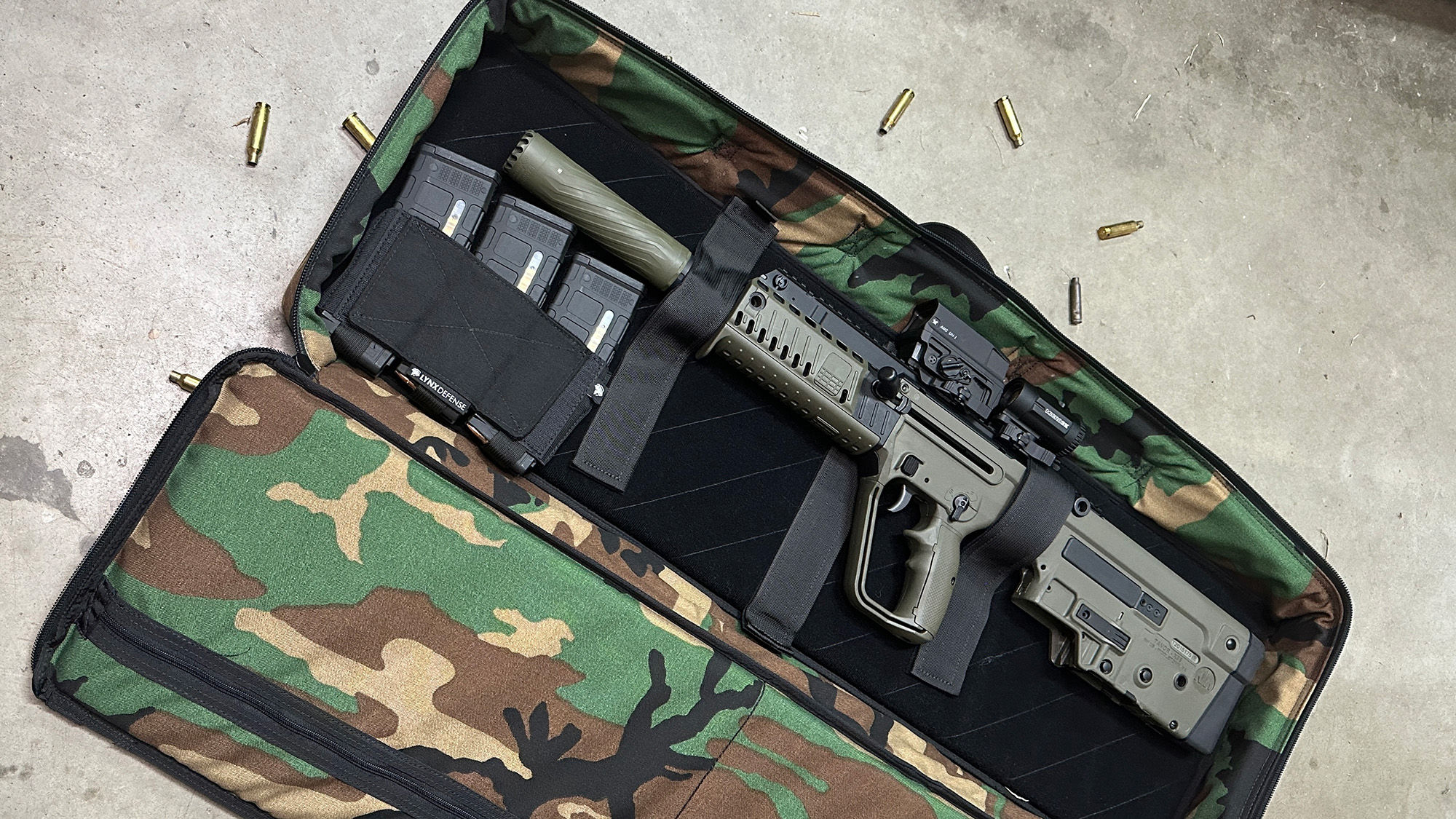
To best clean your rifle case, use two teaspoons of Dawn hand dish soap (NOT antibacterial) and mix with one quart of water in a spray bottle. Directly spray the soapy water mixture on the bag’s inserts and hard bottom and wipe clean with a dry cloth.
Any oil or grease should first be treated with a dry cleaning solvent followed by a spray cleaner or detergent and water. Never machine wash a Lynx Defense Rifle Bag.
Avoid chlorine or bleach-based cleansers.
Use two teaspoons of Dawn hand dish soap (NOT anti-bacterial) and mix with one quart of water. Typically this is best used with a spray bottle and can be sprayed directly on the back of the ankle medical kit and wiped down thoroughly with a dry cloth. Allow the ankle kit to air dry before wearing it.
Any oil or grease should first be treated with a dry cleaning solvent followed by a spray cleaner or detergent/water solution. Never machine wash a Lynx Defense Ankle, or Medical Kit.
Avoid chlorine or bleach-based cleansers.
If you have any other questions about how to clean Cordura, please leave a comment below, and we will see if we can help!



Hi I have 1000D yellow cordura.
It’s has like rubber marks on them
It’s so hard to remove.
I would like to know your suggestions?